Want to See Why Your Growing Organization Still Depends on You?
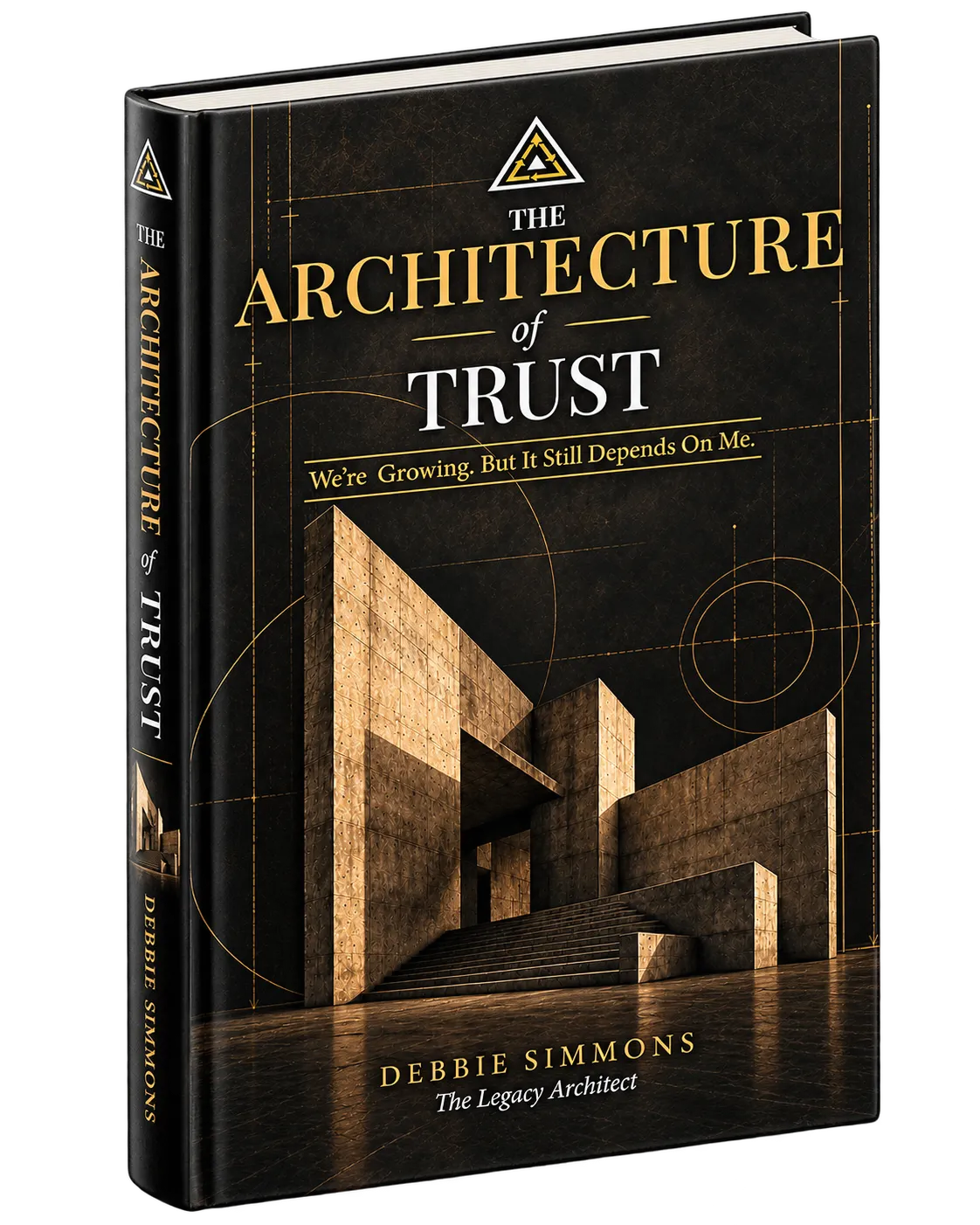
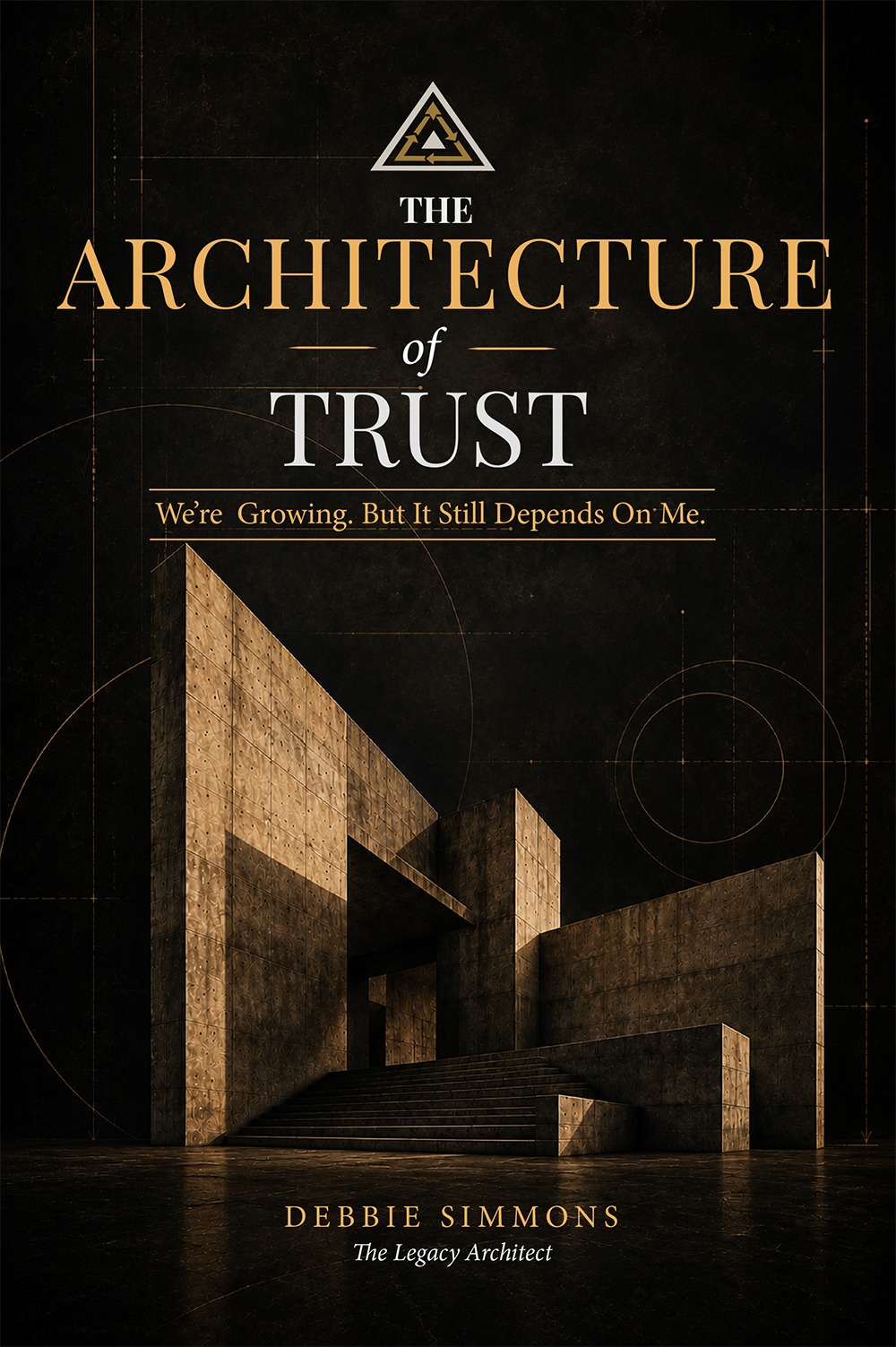
Claim a FREE Copy of Architecture of Trust
Discover Why Growth, Delegation, and More Leaders Don’t Always Create More Freedom for the CEO
PLEASE WATCH THIS VIDEO
Send Me Your Address...
I’d like to claim a FREE copy of Architecture of Trust and discover where my organization may still depend on me.
Not a U.S. resident? Click here to grab a copy of Get Scalable today!
Here’s What Growing Leaders Are Often Saying
“Why does everything still come back to me?” You’ve hired capable people. You’ve delegated work. But questions, approvals, and disagreements still climb upward.
“If I don’t stay on top of it, it won’t happen.” You stay copied, attend meetings, check progress, and follow up because experience has taught you that things can drift when you stop watching.
“We have more people, but somehow I have less time.” You added staff, managers, systems, and meetings to create capacity. Instead, growth created even more coordination.
“We cannot keep growing like this.” The organization may be successful, but you can feel that the next stage of growth will increase the strain if nothing changes.
You Built a Team. So Why Does the Organization Still Depend on You?
You hired leaders because the company could no longer depend on you to personally carry everything.
You delegated responsibilities.
You added systems.
You created management layers.
And yet important decisions still return for clarification. Managers still escalate issues upward.
Meetings and follow-up keep multiplying. And when you stop watching, things have a tendency to drift.
That may look like a communication problem.
It may look like a delegation problem.
It may even look like an accountability problem.
But Architecture of Trust introduces another possibility:
The organization itself may not yet be able to carry decisions, intent, and responsibility without executive intervention.
The question is no longer simply:
“How can I work harder?”
The better question is:
“Can what we’ve built carry the next stage of growth without requiring more of me?”
The Problem May Not Be Your People
Good people can work hard inside an organization that still makes ordinary work harder than it should be.
A decision gets made but comes back again.
A manager has authority but still waits for approval.
A handoff happens, but someone needs to check whether it was completed.
The CEO steps away and the organization behaves differently.
These are not always signs of poor performance.
They may be signs that the structure itself is still borrowing too much reliability, clarity, and momentum from the leader.
Architecture of Trust gives you a different lens for seeing what may actually be happening beneath the surface.
Is Your Organization’s Operating Structure Ready for the Next Stage of Growth?
You'll know if...
Important decisions keep returning to you for clarification or approval.
Managers have authority on paper but still escalate too much upward.
You stay involved because things sometimes drift when you stop watching.
Adding more people has created more coordination instead of more capacity.
Meetings, checking, and follow-up keep expanding.
You know the next stage of growth will increase the strain if nothing changes.
Architecture of Trust Helps You See Why the Organization Still Depends on You and Where the Structure Is Failing to Carry What You Can No Longer Personally Carry
Inside Architecture of Trust, you’ll begin to see:
Why executive dependency can remain even after you hire capable leaders.
Why making the same decision twice may signal more than a communication problem.
Why adding people does not automatically create organizational capacity.
Why constant executive oversight can hide structural weakness.
Why good people sometimes have to work too hard to make normal work happen.
Why succession, scale, or stepping away requires more than simply delegating additional tasks.
How to begin identifying where decisions, clarity, responsibility, and movement still depend on you.
Are You Ready to Build an Organization That Can Carry More Without Requiring More of You?
Here’s What Growing Leaders Are Often Saying Before They See the Real Problem
“Why does everything still come back to me?” You’ve hired capable people. You’ve delegated work. But questions, approvals, and disagreements still climb upward.
“If I don’t stay on top of it, it won’t happen.” You stay copied, attend meetings, check progress, and follow up because experience has taught you that things can drift when you stop watching.
“We have more people, but somehow I have less time.” You added staff, managers, systems, and meetings to create capacity. Instead, growth created even more coordination.
“We cannot keep growing like this.” The organization may be successful, but you can feel that the next stage of growth will increase the strain if nothing changes.
Growth Should Not Make Your Organization More Dependent on You
You’ve built something bigger than one person.
That means the organization itself must eventually become capable of carrying what you can no longer personally carry.
Decisions need to survive beyond the room where they were made.
Authority needs to function without constant escalation.
Responsibility needs to move without repeated executive rescue.
And growth needs to create capacity not simply add another layer of complexity for you to manage.
That is the idea behind Architecture of Trust.
It offers a structural lens for leaders who have moved beyond startup chaos but recognize that their organization has not yet developed the institutional strength required for the next stage.
This is not another motivation program.
It is not simply a communication initiative.
And it is not about blaming your people.
It is about examining whether the organization itself can reliably carry decisions, intent, and responsibility as complexity grows.
Because the real question is not only whether your company can grow.
It is whether what you have built can carry that growth without requiring more of you.
Send Me Your Address...
I’d like to claim a FREE copy of Architecture of Trust and discover where my organization may still depend on me.
Not a U.S. resident? Click here to grab a copy of Get Scalable today!

This site is not a part of the Facebook website or Facebook Inc. Additionally, This site is NOT endorsed by Facebook in any way. FACEBOOK is a trademark of FACEBOOK, Inc.
DISCLAIMER: The sales figures stated above are my personal sales figures. Please understand my results are not typical, I’m not implying you’ll duplicate them (or do anything for that matter). I have the benefit of practicing direct response marketing and advertising for years and have an established following as a result. The average person who buys any “how to” information gets little to no results. I’m using these references for example purposes only. Your results will vary and depend on many factors …including but not limited to your background, experience, and work ethic. All business entails risk as well as massive and consistent effort and action. If you’re not willing to accept that, please DO NOT GET OUR INFORMATION.